Owning a home comes with a steady stream of small tasks. A loose handle, a squeaky door, a picture that needs hanging. None of these are emergencies, but having the right tools on hand saves time, money and frustration. You don’t need a garage full of equipment to be prepared. A solid set of basics goes a long way.
Must-Have Tools Every Homeowner Should Own
The goal isn’t to turn you into a professional contractor. It’s to help you handle everyday fixes and maintenance without calling for help every time something small comes up. This guide walks through the essential tools every homeowner should own, especially for homes in Jasper and nearby communities. This guide explains the following:
-
Basic hand tools you’ll use the most
-
Tools for measuring and leveling
-
Items that help with minor repairs
-
Safety and maintenance essentials
-
How a real estate agent can help you plan ahead
Here’s a closer look at each.
Basic Hand Tools You’ll Use the Most
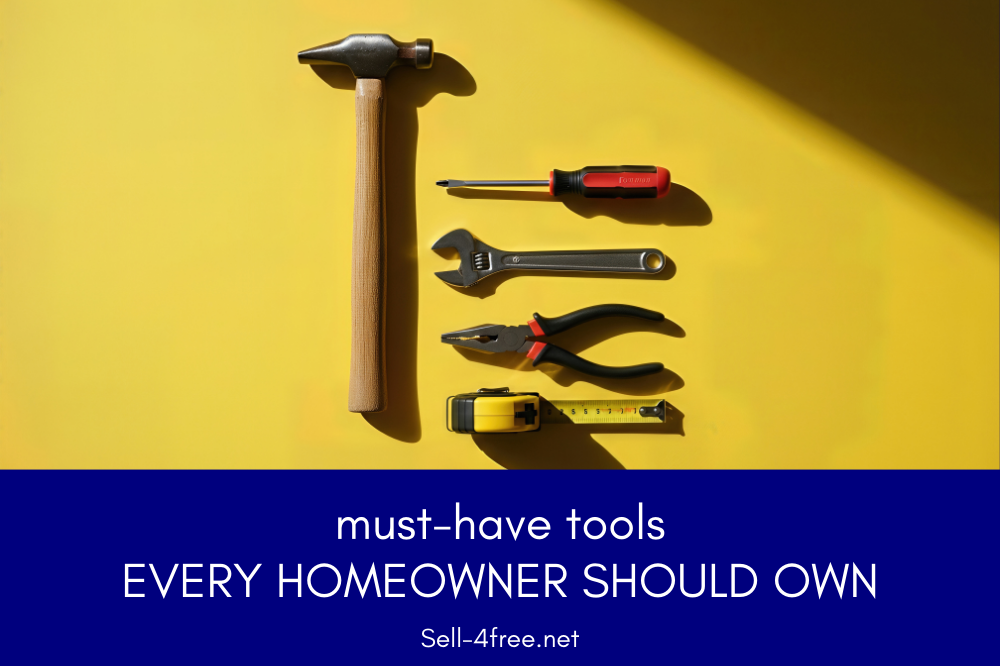
A few simple hand tools handle a surprising number of household tasks. A sturdy hammer is essential for hanging pictures, assembling furniture and small repairs. A set of screwdrivers, both flathead and Phillips, is another must-have since screws show up everywhere.
Adjustable wrenches and a basic set of pliers help with tightening bolts, gripping objects and minor plumbing tasks. These tools don’t need to be fancy, but they should feel comfortable in your hand and be easy to access.
Homeowners across Dubois County often find that these basic tools cover most day-to-day needs.
Tools for Measuring and Leveling
Accurate measuring saves time and prevents mistakes. A tape measure is one of the most-used tools in a home, whether you’re measuring furniture, wall space or window sizes.
A small level helps ensure shelves, frames and fixtures sit straight. Even slight tilts can stand out once you notice them, and a level makes quick work of fixing that.
These tools are inexpensive and easy to store, but they make a big difference in how finished projects look.
Items That Help With Minor Repairs
Some tools help you handle small issues before they turn into bigger ones. A utility knife is useful for opening boxes, trimming materials and small cutting tasks. A flashlight or headlamp helps when you’re checking under sinks, in closets or during power outages.
A cordless drill with basic bits can be a game changer. It makes assembling furniture, hanging shelves and making small repairs much faster and easier than doing everything by hand.
Many homeowners start with a basic drill and expand later if they find they enjoy tackling more projects.
Safety and Maintenance Essentials
Safety matters just as much as convenience. A stud finder helps you safely hang heavier items by locating wall supports. Work gloves protect your hands during repairs or yard tasks.
It’s also smart to keep basic safety items like a fire extinguisher and a small first aid kit accessible. These aren’t tools in the traditional sense, but they’re essential for responsible homeownership.
Statewide safety and consumer guidance from the State of Indiana offers helpful information on household preparedness and basic safety recommendations.
How a Real Estate Agent Can Help You Plan Ahead
Many new homeowners don’t realize their REALTOR® can still be a resource after closing. A real estate agent familiar with local homes can tell you which tools tend to be useful based on home age and typical maintenance needs in the area.
Your agent can also point out common issues seen in local properties so you’re better prepared. That insight helps you build your toolkit thoughtfully instead of buying tools you’ll never use.
Federal homeowner resources from the U.S. Department of Housing and Urban Development explain general maintenance responsibilities, but local experience helps you apply that knowledge in practical ways.
FAQ About Must-Have Tools for Homeowners
Check out these commonly asked questions about must-have tools for homeowners. If you don’t see your question here, please call our office and we’ll find you the answers you need.
Do I Need Power Tools Right Away?
Not necessarily. Many homeowners start with hand tools and add power tools as needs arise.
Is It Better to Buy Cheap or Invest in Quality?
For frequently used tools, better quality usually lasts longer and feels easier to use.
How Many Tools Does a New Homeowner Really Need?
You can start with just a few basics. Add more tools as you encounter new tasks.
Should I Keep Tools in the House or Garage?
Keep commonly used tools somewhere easy to access so small fixes don’t get delayed.
Can My Agent Help Me Understand Maintenance Needs?
Yes. Many REALTORS can explain what upkeep is typical for homes in your area.
Having the right tools makes homeownership feel more manageable. When you’re prepared for small fixes and routine maintenance, your home feels less like a source of stress and more like a place you can confidently take care of over time.