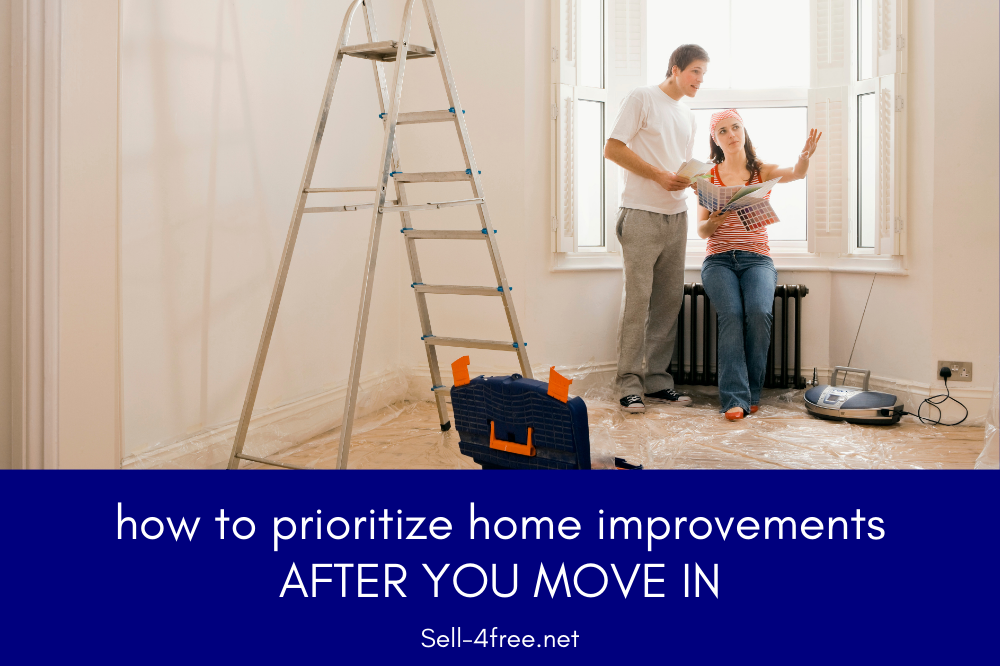
After you move in, it’s tempting to start changing everything at once. New homeowners often feel pressure to tackle upgrades quickly, especially when they notice things they want to improve right away. The truth is, the smartest approach is usually slower and more intentional.
How to Prioritize Home Improvements After You Move In
Once the boxes are unpacked, it’s time to decide what really needs attention and what can wait. Not every improvement deserves the same urgency or budget. This guide explains how to prioritize home improvements after buying a home in Jasper and nearby communities so you can make decisions that feel manageable and worthwhile. This guide explains the following:
-
Focus on safety and function first
-
Address maintenance before cosmetic changes
-
Live in the home before making big decisions
-
Balance comfort upgrades with long-term value
-
How a real estate agent can help you prioritize
Here’s a closer look at each.
Focus on Safety and Function First
The first improvements to prioritize are the ones that protect your home and the people living in it. This includes anything related to safety, basic function or preventing damage.
If there are issues with electrical systems, plumbing, heating or cooling, those should come first. Even if everything technically works, small concerns noted in your inspection report may deserve early attention so they don’t turn into bigger problems.
Taking care of these items early gives you peace of mind and creates a solid foundation for future upgrades. Many homeowners across Dubois County find that once these basics are handled, everything else feels less urgent.
Address Maintenance Before Cosmetic Changes
Maintenance tasks often don’t feel exciting, but they matter. Servicing the HVAC system, sealing small leaks, cleaning gutters or addressing minor roof concerns can save money and stress down the road.
Cosmetic changes like paint colors or new fixtures are more visible, but they don’t protect your investment in the same way. It’s usually better to make sure the home is running smoothly before focusing on how it looks.
Staying ahead of maintenance also helps you learn how your home behaves through different seasons, which makes future decisions easier.
Live in the Home Before Making Big Decisions
It’s hard to know what you really want to change until you’ve lived in the space for a while. Rooms often get used differentlyA differently than expected, and priorities shift once daily routines settle in.
Giving yourself time allows you to see how light moves through the home, where storage feels tight and which spaces matter most. Many homeowners regret rushing into major renovations too quickly.
Living in the home first helps you spend money where it truly improves your quality of life instead of fixing things that weren’t actually a problem.
Balance Comfort Upgrades With Long-Term Value
Some improvements make life more comfortable right away. Others may add value over time. Finding a balance between the two helps you feel good about how you invest in your home.
Comfort upgrades might include lighting, window coverings or small layout adjustments. Value-focused upgrades may involve kitchens, bathrooms or energy efficiency, depending on the home.
A REALTOR® can help you understand which improvements tend to matter most to buyers in Jasper if resale is part of your long-term plan. That insight helps you avoid upgrades that feel expensive now but don’t add much later.
Statewide housing and homeowner resources from the State of Indiana provide useful background, but local experience matters when deciding which projects make sense in your market.
How a Real Estate Agent Can Help You Prioritize
Many homeowners don’t realize their real estate agent can still be a resource after closing. A REALTOR understands how homes in the area typically age, which updates are common and which improvements tend to hold value.
Your agent can also recommend local contractors and help you think through timing so projects don’t pile up all at once. That guidance can make the difference between feeling overwhelmed and feeling in control.
Federal homeownership resources from the U.S. Department of Housing and Urban Development explain long-term ownership considerations, but personalized advice helps you apply that information to your specific home.
FAQ About Prioritizing Home Improvements After Moving In
Check out these commonly asked questions about prioritizing home improvements after moving in. If you don’t see your question here, please call our office and we’ll find you the answers you need.
Should I Fix Everything Right Away?
No. Start with safety and maintenance, then take time to decide what truly needs updating.
How Long Should I Wait Before Major Renovations?
Many homeowners wait several months to a year so they understand how they use the space.
What If My Inspection Report Lists Several Issues?
Focus on items that affect safety or could worsen over time. Cosmetic issues can usually wait.
Are Cosmetic Upgrades Ever a Priority?
Yes, especially if they improve daily comfort, but they’re usually best tackled after maintenance.
Can My Agent Help With Contractor Recommendations?
Yes. Many REALTORS have trusted local contacts and can point you in the right direction.
Prioritizing home improvements doesn’t have to feel overwhelming. When you take a thoughtful approach, focus on what matters most and give yourself time to settle in, your home improvements become intentional steps forward instead of rushed reactions.